
Education
Understanding pelvic organ prolapse.
An honest, plain-language overview of POP, current treatment options, and why we believe better tools are overdue.
What is pelvic organ prolapse?
Pelvic organ prolapse (POP) happens when the muscles and connective tissue that support the pelvic organs — the uterus, bladder, rectum — weaken or stretch, and one or more organs descend from their normal position into the vagina. POP affects up to 40% of women, and risk increases sharply after childbirth, with age, and after menopause.
Symptoms range from a feeling of pressure or fullness, to urinary incontinence or difficulty voiding, to discomfort with intercourse or daily activity. Many women live with symptoms for years before seeking care.
Conservative treatment: the pessary
A pessary is a soft silicone device placed in the vagina to mechanically support the pelvic organs. It is the most common non-surgical treatment for POP, recommended by ACOG and AUGS as a first-line option for most women. Pessaries are safe, low-cost, and reversible — and they avoid the risks of surgery.
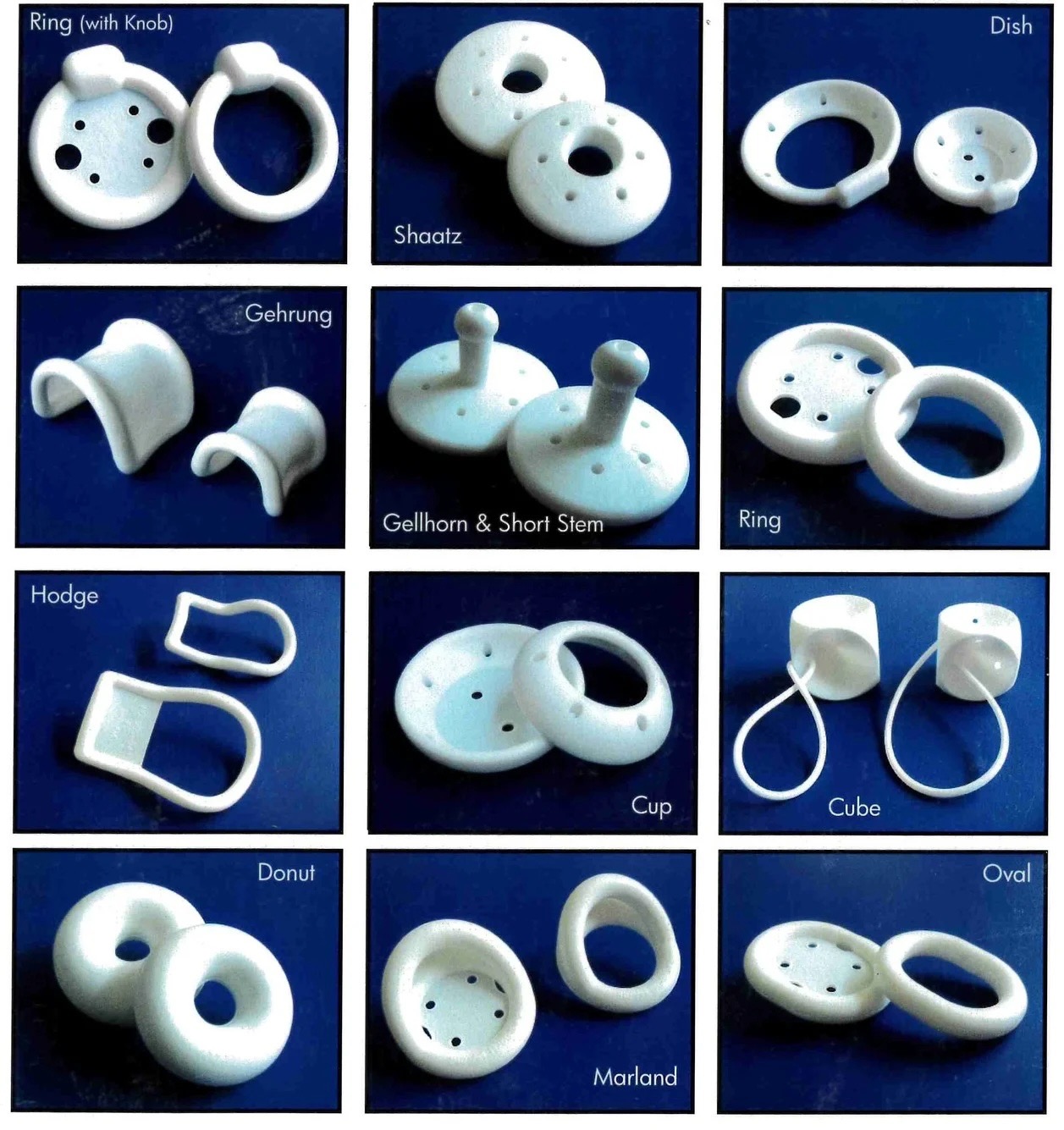
But the conventional pessary has not meaningfully evolved in over a century. It is a passive piece of silicone. It provides support, but it does not measure anything, does not detect early problems, and does nothing for the underlying pelvic-floor weakness driving prolapse. Up to half of women who try a pessary stop using it within the first year — often because of discomfort, fear of complications, or lack of perceived benefit.
Surgical treatment
Surgical repair is effective but carries the typical risks of surgery (bleeding, infection, anesthesia complications) and the specific risk of recurrence. POP recurrence rates after surgery are commonly reported at 30% or higher, and many women undergo more than one operation in their lifetime.
The case for a smarter pessary
If conservative therapy is to remain a viable long-term option for women — and to avoid pushing patients toward surgery they may not need — pessaries need to do more. They need to measure tissue health and warn of irritation or infection before it becomes a problem. They need to actively strengthen the pelvic floor rather than just supporting the prolapse. They need to give clinicians actionable data and give patients confidence in their own care.
That is what Smart Pessary is designed to do. Read about the technology →
Further reading
For peer-reviewed literature on POP epidemiology, pessary efficacy, and current treatment guidelines, see resources from the American College of Obstetricians and Gynecologists (ACOG), the American Urogynecologic Society (AUGS), and the International Urogynecological Association (IUGA).
The content on this page is for educational purposes only and is not a substitute for medical advice. If you have symptoms of POP or are considering treatment, please consult a qualified healthcare provider.