
The first biofeedback-enabled pessary for pelvic organ prolapse.
Smart Pessary combines traditional pelvic support with real-time health monitoring and active pelvic-floor therapy — a new standard of care for the 40% of women living with pelvic organ prolapse.
About Smart Pessary LLC
A femtech medical-device company.
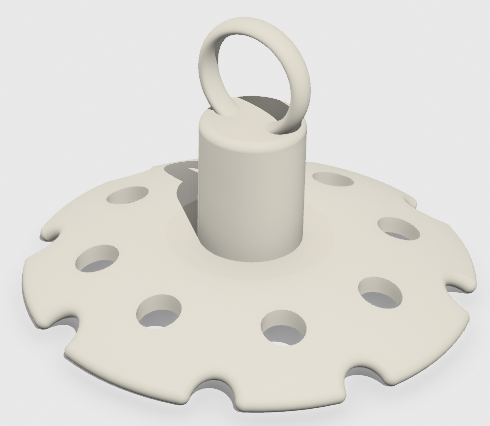
Smart Pessary LLC is a wholly-owned subsidiary of Epigenuity® LLC. We are developing the first biofeedback-enabled pessary that combines traditional pelvic support with real-time monitoring and gentle pelvic-floor therapy.
Our mission is to give women safer, smarter, and more comfortable options for conservative prolapse care — and to give clinicians the actionable data they need to deliver it. Through academic–industry partnerships and a planned NIH STTR application, we are advancing toward clinical validation and commercialization of a first-in-class device.
Our mission
Closing the gap in conservative prolapse care.
Pelvic organ prolapse (POP) affects up to 40% of women worldwide, often causing discomfort, urinary symptoms, and reduced quality of life. Current pessaries are effective short-term but limited: they are passive, can cause irritation, and see up to 50% dropout within one year. Many women ultimately undergo surgery, despite its risks and recurrence rates.
Adaptive support and active monitoring for pelvic organ prolapse.
Continuous data capture from the moment of placement.
Machine learning models surface meaningful patterns from sensor streams.
Flag tissue irritation or infection before it becomes symptomatic.
Gentle stimulation to strengthen pelvic-floor muscles and prevent worsening.
Empowers women with proactive care and personalized data about their condition.
Where to next
Choose your path.
For clinicians
Workflow, evidence base, and pathway to clinical trial participation.
For patients
What pelvic organ prolapse is, what current treatments look like, what we're building.
For investors
Market size, IP position, NIH support, and the commercialization path.
The technology
Sensor architecture, biofeedback approach, and the science behind the device.